Bed Bug Services for Dummies
Table of ContentsThings about Bed Bug Services5 Simple Techniques For Bed Bug ServicesThings about Bed Bug Services9 Easy Facts About Bed Bug Services Described
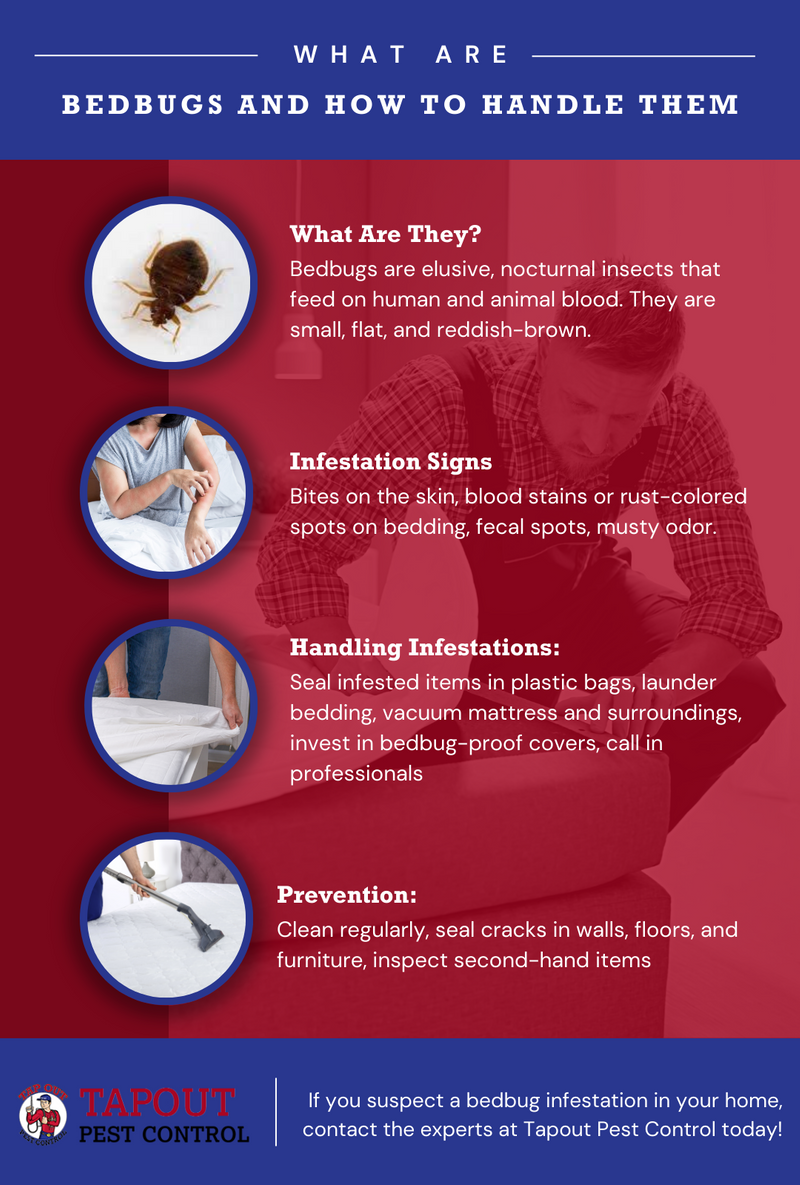
A professional bed bug inspection is much more than a simple walkthrough and relies on expertise. Bed bugs are tiny, quick, and skilled at concealing themselves that hide in narrow spaces, corners, and upholstery. Because of their hidden habits, a thorough inspection is essential to identify the full scope of the problem. Professional inspectors rely on specialized equipment, systematic procedures, and experience to locate pests effectively, preventing spread and further infestation.The first step in a proper inspection involves knowing the habits and life cycle of bed bugs. Bed bugs belong to the Hemiptera group and experience multiple nymph stages before reaching adulthood. Adults are typically small, oval-shaped, reddish-brown, wingless, and equipped with long legs and antennae. Their feeding apparatus injects anticoagulants while drawing blood, producing skin irritation and visible marks. Knowing these traits guides professionals in locating infestations.
Early detection is vital for effective management. Professionals carefully check for signs such as fresh droppings that resemble small ink dots, old stains, shed skins, eggs, or eggshells (Bed Bug Services). A single female can lay hundreds of eggs, potentially causing full-blown infestations. Evidence of molted skins or eggshells shows that the infestation is current and necessitates immediate attention
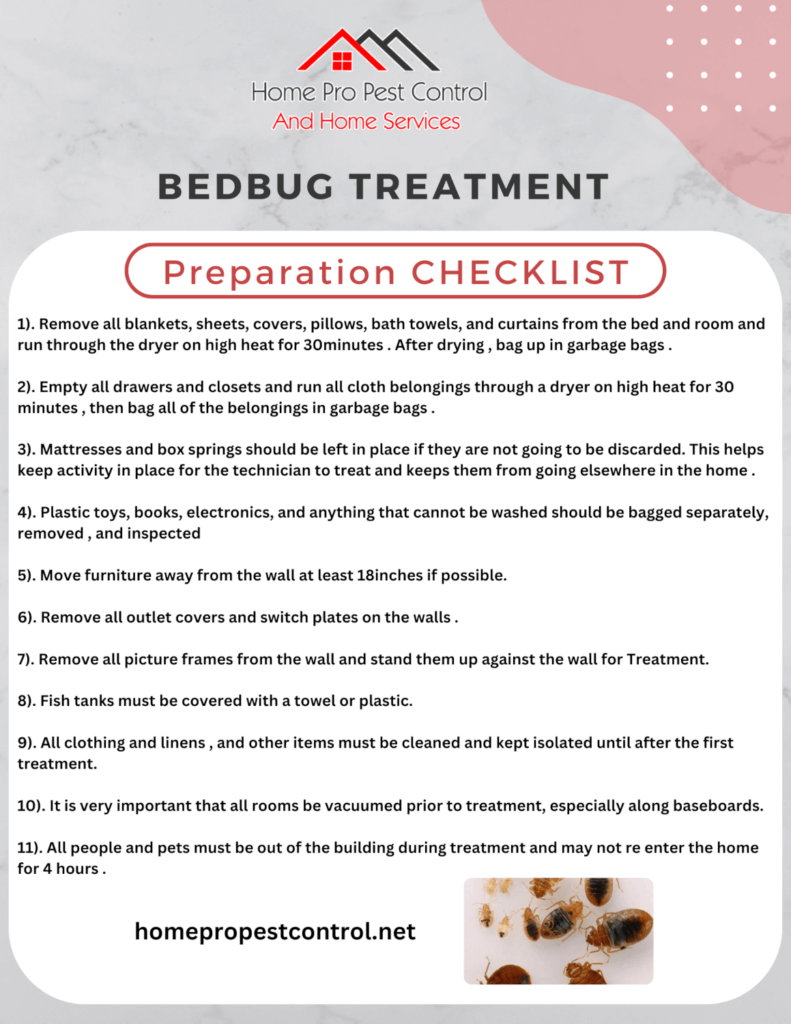
Preparing for an inspection requires attention to detail. Inspectors often suggest tidying up spaces to allow full access, which improves access to furniture and baseboards. Bedding and linens may be cleaned thoroughly and sealed in plastic bags, and then stored in sealed bags to prevent re-infestation. Wall decor, mirrors, and pictures are sometimes moved to check hiding places. Vacuuming furniture and floors can remove loose pests, and vacuum bags should be emptied in a secure location.
Some Ideas on Bed Bug Services You Should Know
The inspection itself is comprehensive and careful. Inspectors focus on sleeping areas like beds, headboards, and mattresses, paying attention to edges, seams, and potential hiding spots. Upholstered furniture, including sofas and recliners, is carefully examined, with attention to seams and cushions. Baseboards, moldings, the edges of wall-to-wall carpeting, electrical outlets, closets, and storage areas are methodically checked, as these can be frequent hiding places.
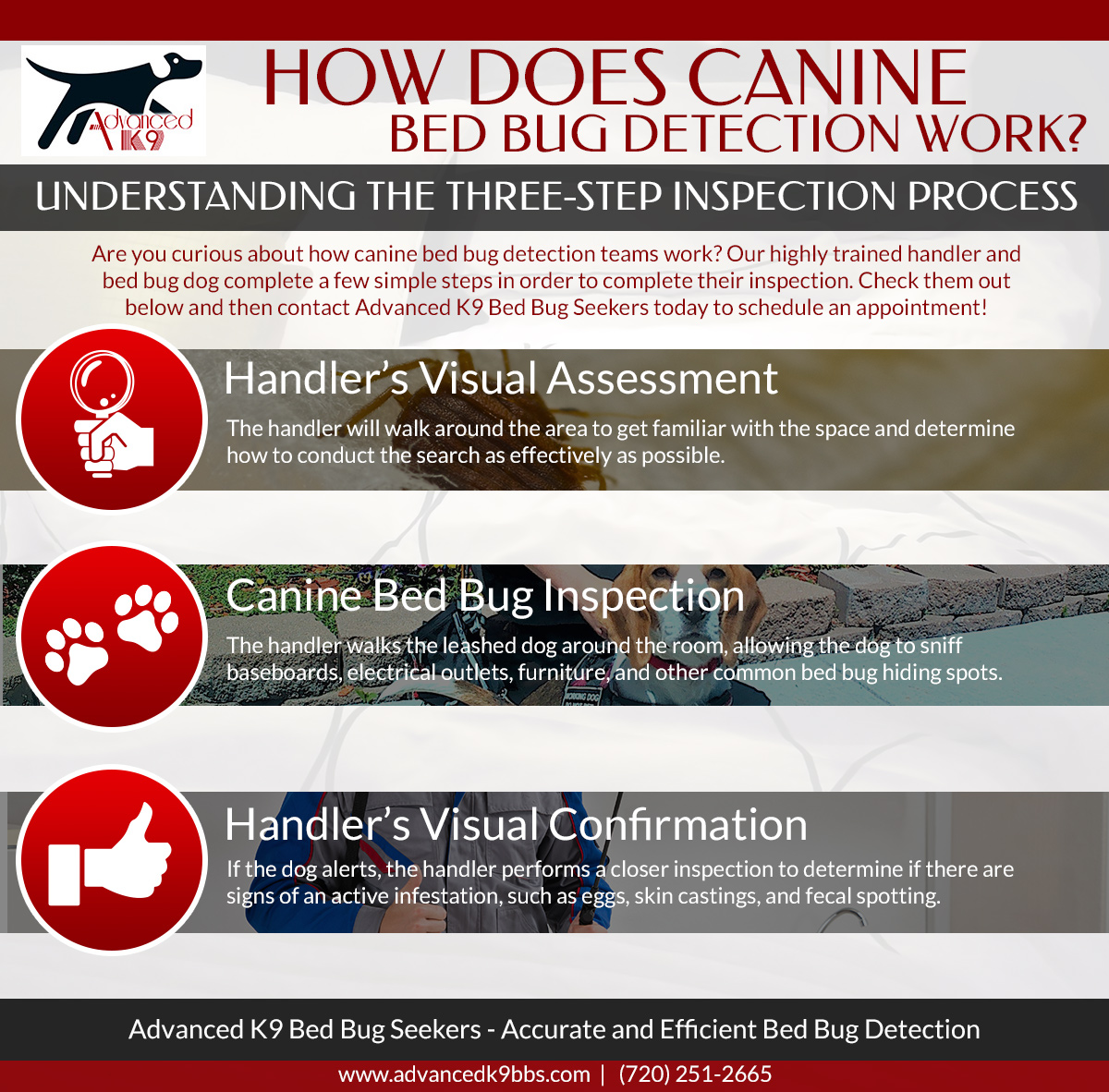
Specialized tools help inspectors find hidden pests. Flashlights, magnifying lenses, multi-tools, and my website mirrors provide visibility in crevices and corners. Monitoring devices view website like interceptor traps or sticky pads aid in identifying infestation trends. Some companies bring in canine teams, which accurately identify active infestations, distinguishing them from non-active traces.

Meticulous documentation is a key component. Inspectors record the locations of evidence, severity of infestation, and treatment recommendations. This ensures accountability and helps with client communication. Residents are often instructed to preserve evidence for accuracy, as this prevents loss of critical information.
After inspection, a monitoring plan may be recommended to follow up on findings. Continuous monitoring identifies surviving insects after treatment, and collecting feedback from occupants provides additional insight. Cooperation from residents enhances detection.
All About Bed Bug Services
Professional inspections offer a higher level of accuracy than DIY attempts. Trained inspectors know what to look for and where, avoid unnecessary treatments, and give peace of mind.
Bed bug inspections are particularly important in high-risk environments. Inspectors examine adjacent units, common areas, and shared furniture to confirm complete assessment (Bed Bug Services). This supports comprehensive control
In summary, a professional bed bug inspection involves understanding bed bug biology, preparing the space, conducting systematic inspections, using specialized tools, documenting findings, and implementing monitoring protocols. Each step supports early detection, informs treatment, and reduces future risk.
8 Easy Facts About Bed Bug Services Explained